

Why Gutter installation Matters in Arkansas
Gutter installation in Arkansas is more than just a home improvement project—it’s a critical step in protecting your property from the region’s variable weather. Arkansas experiences a wide range of weather conditions, from heavy rainfall to quick storms, which can lead to considerable damage if not properly managed. A correctly installed gutter system helps channel rainwater away from your home, avoiding issues like base damage, underground flooding, and land degradation around your property. For reliable Gutter Installation in Arkansas in Arkansas, AGM Gutters provides knowledgeable guidance and useful solutions.
Residents in cities like Little Rock, Fayetteville, and Springdale recognize the value of reliable gutters. These areas are famous for their regular rain events, and without proper installation, water can gather and cause extended damage. The correct gutter system can also help reduce the chance of mold and moisture, especially in moist regions like Fort Smith and North Little Rock.
Damage from bad gutter systems can be expensive to fix. In some cases, homeowners may face expensive repairs to their base, walls, or landscaping. That’s why investing in good gutter installation in Arkansas is essential. It not only guards your home but also increases its overall value and durability.
Common Gutter Types Used in Arkansas
In Arkansas, residents and organizations have several gutter types to choose from, each with its own advantages. The most common options include aluminum, vinyl, and steel gutters. Aluminum gutters are lightweight, sturdy, and non-corrosive, making them a popular choice in residential zones like Conway and Rogers. Vinyl gutters are budget-friendly and easy to install, which is why they are often used in recent building developments.
Steel gutters are stronger and can manage significant rain, making them a good fit for areas like Fayetteville and Little Rock. However, they demand frequent care to avoid rusting and corroding. In commercial properties, continuous gutters are often preferred because they reduce the risk of leaks and are more straightforward to maintain in the long term.
The Arkansas atmosphere plays a role in selecting the best gutter type for a property. For example, in high humidity zones, substances that resist moisture and mildew are crucial. Homeowners in Bentonville and Pine Bluff often choose gutters that are functional and aesthetically pleasing, ensuring they complement the design of their homes.
How Arkansas Climate Affects Gutter Installation
The climate in Arkansas has a direct impact on gutter installation and maintenance. The state experiences a humid subtropical climate, with warm summers and cool winters. This means that gutters must be able to handle substantial precipitation, which is common in cities like Little Rock and Fayetteville. During the early and late seasons months, abrupt weather events can lead to water accumulation, making it essential for gutters to be correctly installed and serviced.
Winter conditions in Arkansas can also affect gutter performance. While flurries is not common in most areas, occasional snow melt and low temperatures can cause ice dams. These can lead to water flowing backward into the home, causing damage on the roof and wall damage. In places like Fort Smith and Springdale, homeowners often opt for gutters that are engineered for these conditions.
Correct installation is crucial to ensuring that gutters can survive the region’s weather. https://stringinsect44.werite.net/key-takeaways-and-selection-criteria-for-10-how-to-prepare-your-yard-for-gutter In areas like North Little Rock and Conway, local contractors understand the unique difficulties posed by the climate. They recommend installation techniques that account for the region’s rainfall patterns and temperature fluctuations, ensuring that the gutter system functions effectively year-round.
Best Materials for Gutters in Arkansas
Picking the right supplies for gutters in Arkansas is essential for prolonged results. The state’s environment, which includes significant rain and increased dampness, demands materials that are both sturdy and weatherproof. Aluminium is a common option due to its low-weight nature and protection to corrosion. It is often applied in housing zones like Fayetteville and Rogers, where residents want a trustworthy and minimal-effort selection.
Steel gutters are another option, especially for business properties and dwellings in regions with high rainfall. They are powerful and can endure large water volume, but they require frequent care to avoid oxidation. Plastic gutters are a budget-friendly option, though they may not endure as extended as metallic choices. They are frequently applied in recent building projects in urban areas like Pine Bluff and Little Rock.
For property owners in zones like Bentonville and Springdale, where the climate can be variable, components that offer both sturdiness and flexibility are ideal. Unbroken gutters, which are made from a singular component of metal, are typically proposed because they lower the chance of seepage and are simpler to care for. Selecting the right component guarantees that your gutter framework can manage the difficulties of the Arkansas environment.
Qualified Gutter setup Method
The qualified gutter installation workflow in Arkansas involves numerous key measures to confirm a dependable and long-lasting system. The first step is a site assessment, where a contractor reviews the roofline, existing gutters, and drainage patterns. This assists determine the best type of gutters and installation method for the property. In cities like Little Rock and Fayetteville, area contractors often use this step to spot possible issues before installation begins.
Once the assessment is complete, the next step is to measure and cut the gutters to fit the home’s dimensions. This is where the expertise of a professional installer becomes essential. In areas like North Little Rock and Conway, contractors ensure that the gutters are installed at the correct slope to allow proper water flow. This helps prevent water from pooling and causing damage to the home’s foundation.
After the gutters are installed, the final step is to test the system by simulating rainfall. This ensures that the gutters are functioning as intended and that water is being directed away from the home. In cities like Fort Smith and Springdale, where heavy rainfall is common, this step is crucial to prevent future issues. A professional installation not only ensures a functional gutter system but also provides peace of mind for homeowners.
Emergency Gutter Repair Support in Arkansas
Despite the best installation efforts, gutters can still face harm due to the unpredictable weather in Arkansas. When this happens, emergency gutter repair services become essential. Storms, heavy rainfall, and even falling debris can cause gutters to sag, crack, or detach from the property. In cities like Little Rock and Fayetteville, where rainfall is frequent, residents commonly rely on regional contractors for quick and practical repairs.
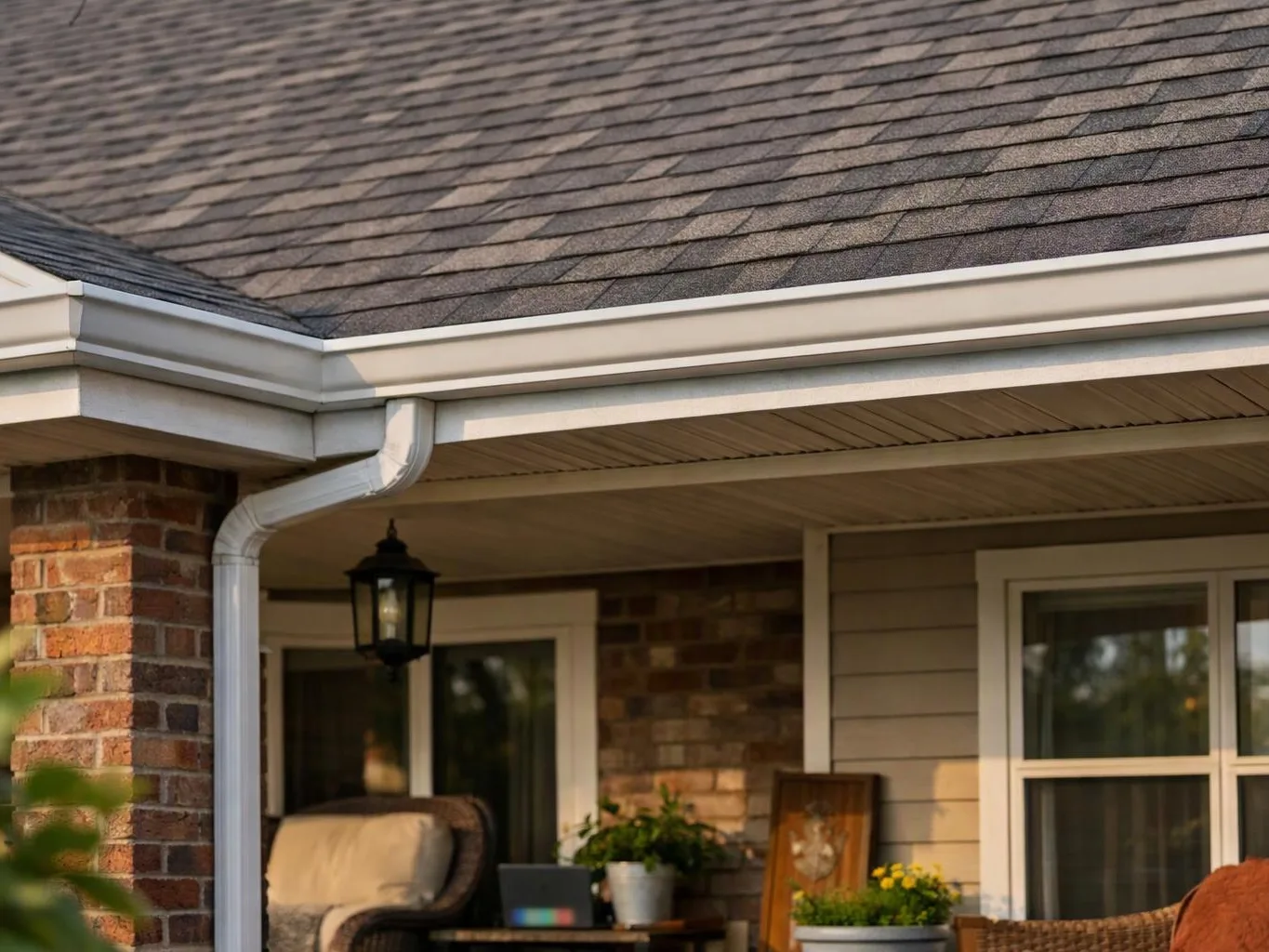
Emergency repair support in Arkansas are available through area companies that recognize the particular challenges of the region. These support can address problems such as clogged gutters, leaks, and structural damage. In areas like Springdale and Fort Smith, where storms can be intense, prompt repairs are necessary to prevent further damage to the home. A professional repair team can assess the damage and provide solutions that restore the gutter system to full functionality.
Homeowners in cities like North Little Rock and Conway often choose emergency repair services that offer 24/7 availability. This ensures that any damage can be addressed quickly, reducing the risk of long-term issues. Whether it’s a small leak or a complete gutter failure, professional repair services in Arkansas are equipped to handle a wide range of problems.
Gutter care Tips for Arkansas residents
Maintaining gutters in Arkansas is crucial for ensuring their long-term performance. Regular maintenance and reviews help prevent obstructions, seepage, and wear caused by intense storms. In cities like Fayetteville and Little Rock, where rainfall is common, homeowners should schedule gutter maintenance at least twice a calendar year to keep the system functioning properly.
One of the primary maintenance tasks is clearing waste such as leaves, branches, and dirt. These can gather in the gutters and impede the movement of fluid, leading to overflow and potential damage. In locations like Springdale and Fort Smith, where forests are abundant, more repeated inspection may be important to prevent clogs. A straightforward review of the gutters can also help recognize any signs of wear or damage that need attention.
In furthermore to maintenance, assessing the gutters for correct inclination and alignment is vital. If the gutters are not tilting accurately, water may not run off effectively, leading to buildup and harm. In cities like North Little Rock and Conway, regional professionals often suggest a care plan that comprises regular inspections and modifications. By adhering these tips, property owners can prolong the life of their gutter setup and stop expensive fixes.
Gutter Installation Costs in Arkansas
The expense of gutter installation in Arkansas varies depending on several factors, including the kind of materials used, the dimensions of the residence, and the level of the placement. On typical homeowners can anticipate to invest between $500 and $2,000 for a typical gutter installation. In metropolitan areas like Little Rock and Fayetteville, where requirement for professional offerings is significant, expenses may be slightly more expensive due to local labor rates and material supply.
Metal gutters are usually the most cost-effective selection, with prices spanning from $3 to $7 per linear foot. Vinyl gutters are also economical, though they may not last as long as metal options. Steel gutters, which are greater durable, can price between $7 and $12 per linear foot. In areas like Springdale and Fort Smith, where significant precipitation is usual, property owners frequently select more sturdy components to secure extended function.
Extra costs may include workforce, which can vary depending on the builder and the complexity of the task. In metropolitan areas like North Little Rock and Conway, local installers often provide expense projections based on the particular demands of the property. It’s regardless a excellent notion to obtain numerous quotes and contrast them to secure that you’re getting a fair price for your gutter placement.
Construction Codes for Gutters in Arkansas
Construction codes in Arkansas play a important purpose in guaranteeing that gutter systems are placed accurately and securely. These regulations fluctuate by town and are developed to protect property owners from likely injury caused by incorrect setup. In urban areas like Little Rock and Fayetteville, local construction departments enforce specific regulations that govern the size, position, and materials used in gutter structures.
One of the essential criteria is the correct gradient of the gutters, which ensures that fluid moves effectively away from the property. In regions like North Little Rock and Conway, regional codes may also necessitate gutters to be placed at a certain range from the foundation to stop fluid buildup. These rules assist maintain the structure of the property and decrease the risk of liquid damage.
Homeowners in cities like Springdale and Fort Smith should be aware of the particular building codes in their area. These codes commonly include standards for drainage systems and the use of approved materials. By following these guidelines, residents can ensure that their gutter installation meets regional requirements and offers long-term protection for their home.
Indicators Your Gutters Require Repair in Arkansas
Knowing the symptoms that your gutters call for repair is vital for maintaining a functional setup. One of the most common indicators is water pooling around the foundation of your property. This can lead to basement flooding and structural damage, especially in areas like Little Rock and Fayetteville, where heavy rainfall is frequent. If you notice water pooling near your home, it may be a sign that your gutters are not directing water properly.
Another symptom is sagging or pulling away from the roofline. This can happen due to the weight of debris or improper installation. In cities like Springdale and Fort Smith, where trees are common, gutters can become overloaded with leaves and branches, leading to sagging. If you notice this issue, it’s important to address it promptly to prevent further damage.
Leaking or water stains on the walls of your home are also obvious indicators that your gutters need attention. These issues can lead to mold growth and interior damage, especially in humid areas like Conway and North Little Rock. Regular inspections and maintenance can help catch these problems early, ensuring that your gutter system continues to function effectively.
What are the most common types of gutters used in Arkansas?
The most common types of gutters used in Arkansas include vinyl gutters. Vinyl is popular for its durability and resistance to rust, making it a good choice for residential areas like Fayetteville and Rogers. Steel gutters are cost-effective and easy to install, often used in new construction projects. Vinyl gutters are more robust and suitable for areas with heavy rainfall, such as Little Rock and Springdale.
How do climate conditions in Arkansas affect gutter installation?
The climate in Arkansas, which includes heavy rainfall and high humidity, has a direct impact on gutter installation. Gutters must be designed to tackle these conditions, ensuring that water is correctly directed away from the residence. In cities like Fort Smith and Springdale, where snow melt and freezing temperatures can occur, gutters must be able to withstand these challenges. Appropriate installation techniques are essential to confirm that the setup functions efficiently throughout the year.
What materials are best suited for Arkansas weather?
Materials that are best suited for Arkansas weather include aluminum, steel, and vinyl. Metal is lightweight and resistant to rust, making it ideal for areas with high rainfall. Steel is long-lasting and can handle heavy water flow, making it a good choice for commercial buildings. Vinyl is cost-practical and easy to uphold, commonly used in residential areas like Pine Bluff and Little Rock. Selecting the right material makes sure that your gutter installation can withstand the region’s weather conditions.
What is the common cost of gutter installation in Arkansas? https://md.sigma2.no/LphjkZ4BSLSZdQrqGg6b1w
The typical cost of gutter installation in Arkansas ranges from $500 to $2,000, depending on the materials used and the size of the home. Sheet metal gutters are generally the most affordable, with prices between $3 and $7 per linear foot. Metal gutters, which are more durable, can cost between $7 and $12 per linear foot. In cities like Little Rock and Fayetteville, where demand for professional services is high, costs may be slightly higher due to local labor rates and material availability.
What are the signs that gutters need repair in Arkansas?
Signs that gutters need repair in Arkansas include water pooling around the foundation, bending gutters, and water stains on the walls. These issues can lead to structural damage and mold growth, especially in humid areas like Conway and North Little Rock. If you notice any of these signs, it’s important to address them promptly to prevent further damage to your home.