

Overview of Gutter Installation in Arkansas
Gutter installation in Arkansas is more than just a regular home improvement task—it’s a necessary step to safeguard your home from the unique challenges posed by the state’s weather. Arkansas building codes and regional regulations play a substantial role in determining the requirements for gutter installation. These codes make sure that gutters are designed and installed to withstand the region’s climate, including its heavy rainfall and fluctuating temperatures.
Arkansas weather is known for its variability, which straight impacts the effectiveness of gutters. For instance, in cities like Little Rock, the spring season brings heavy rainfall that can overwhelm improperly installed gutters. Similarly, Fayetteville experiences a higher risk of storm wear, making it vital for property owners to follow area building codes to avoid costly repairs.
When weighing gutter installation, it’s important to know the different types of gutters available. K-style gutters are the most common due to their efficiency in channeling water away from the home. Half-round gutters, while less common, are often used in historic homes or for aesthetic reasons. The choice of material also plays a role in the overall performance of the gutter system. Aluminum gutters are popular for their durability and resistance to corrosion, while iron and copper gutters offer different benefits depending on the specific needs of the property.
In Arkansas, the installation process must align with the state’s regulations and the unique weather conditions of each city. Whether you’re in Fort Smith, where frequent thunderstorms require robust gutter systems, or Springfield, where local building code updates may influence the installation, it’s crucial to work with experienced professionals who understand the local requirements.
Arkansas Climate and Its Effect on Gutters
Arkansas climate is known for a mix of humid subtropical and temperate conditions, which means the state experiences a wide range of weather patterns throughout the year. Rainfall patterns in Arkansas can be unpredictable, with some areas receiving significantly more precipitation than others. For example, Little Rock is known for its heavy spring rainfall, which can lead to flooding if gutters are not properly installed.
Storm frequency in Arkansas is another essential factor to consider. The state is prone to thunderstorms, especially in the central and northern regions. These storms can bring heavy rain and strong winds, which can wear gutters and lead to water pooling around the foundation of a property. In Fayetteville, where the risk of storm wear is higher, residents must ensure that their gutter installations are designed to tackle these conditions.
Temperature fluctuations in Arkansas can also affect the operation of gutters. During the winter months, freezing temperatures can cause ice dams to form, which can lead to water backing up into the residence. This is especially common in areas like Fort Smith, where the climate can shift swiftly between warm and cold conditions. Correctly installed gutters with adequate slope and downspouts can support prevent these concerns.
Understanding the impact of Arkansas weather on gutters is essential for homeowners looking to protect their property. Whether it’s the heavy rainfall in Little Rock or the frequent thunderstorms in Fort Smith, the right gutter system can make a significant difference in preventing water damage and maintaining the integrity of the home.
Common Gutter styles Used in Arkansas
In Arkansas, the choice of gutter type is guided by both aesthetic preferences and the specific requirements of the property. K-style gutters are the frequently applied due to their effectiveness in channeling water away from the home. These gutters have a oval-like form with a straight back, making them suitable for most home purposes. They are present in a variety of substances, including aluminum, steel, and brass, which can be customized to match the building appearance of the home.
Half-round gutters, while less popular, are still applied in specific areas of Arkansas, especially in traditional residences or those with a more classic layout. These gutters have a curved profile and are often made of copper or zinc-coated metal. While they may not be as capable as K-profile gutters, they offer a traditional look that can support the perimeter of a home.
The option of elements for gutters in Arkansas is also guided by the local atmosphere. Aluminum alloy gutters are common due to their small size nature and capacity to corrosion, making them ideal for the region's humid environments. https://columncough49.bravejournal.net/comparing-choices-for-gutter-installation-in-arkansas-key-strategies-for Iron gutters offer more durability and are commonly used in regions with a more chance of severe weather impact, such as Fayetteville. Metallic gutters, while more expensive, are noted for their longevity and can form a organic color over duration, contributing character to the home.
In urban areas like Little Rock and Fort Smith, where the atmosphere can be greater severe, property owners may opt for gutters made from substances that provide improved weather durability. The selection of gutter type and substance should be founded on the specific requirements of the property and the area weather situations.
Best Choices for Gutters in Arkansas
When selecting materials for gutter installation in Arkansas, it’s crucial to assess the state’s climate and the particular requirements of the home. Metallic gutters are a widely used option due to their easy to handle nature, corrosion resistance, and low cost. These gutters are perfect for the humid environments of Arkansas and can withstand the regular rain in areas like Little Rock.
Metal gutters offer more durability and longevity, making them a solid selection for residences in regions with a higher possibility of storm damage. In metropolitan areas like Fayetteville, where the rate of tempests is more, metal gutters can offer added protection against heavy rain and strong winds. However, they may demand greater care than aluminum gutters, especially in regions with high dampness.
Copper gutters are recognized for their longevity and skill to endure harsh weather conditions. While they are pricier than aluminum or metal, they provide a special aesthetic appeal that can improve the visuals of a home. Copper gutters are also very resistant to oxidation, making them a excellent choice for regions with frequent rainfall.
Weather resistance is a vital element when choosing gutter options in Arkansas. The area’s unpredictable weather patterns, including heavy precipitation and temperature shifts, can affect the function of gutters. Materials that are created to withstand these situations, such as metallic and metal, are commonly suggested for properties in towns like Fort Smith and Springfield.
In regard to material selection, the installation method acts a vital function in making sure the long-term effectiveness of gutters. Appropriate installation, including the correct slope and stable fixing, can aid in preventing issues such as water pooling and structural issues. Working with qualified experts who comprehend the local climate and rules is crucial for attaining a durable and successful gutter setup.
Price of Gutter Installation in Arkansas
This expense of gutter installation in Arkansas can vary depending on several elements, including the variety of gutters, supplies used, and the level of the installation. Typically, the price of gutters in Arkansas ranges from $3 to $10 per linear foot, with the overall expense depending on the size of the property and the particular demands of the job.
In towns like Little Rock, where the weather can be more severe, residents may find that the expense of gutter setup is slightly higher due to the requirement for stronger components and more work. In the same way, in Fayetteville, where the risk of storm damage is more, the expense may increase due to the demand for strengthened gutters and wider installation procedures.
Material costs also play a significant role in figuring out the entire price of gutter setup. Aluminum gutters are usually the most inexpensive choice, while metal and metal gutters often to be greater costly. The selection of element should be grounded on the unique requirements of the home and the regional weather conditions.
Labor expenses can also fluctuate depending on the region and the complexity of the project. In areas like Fort Smith, where common thunderstorms require more robust gutter systems, the labor cost may be higher due to the extra work required to ensure proper installation. In Springfield, where local building code updates may influence the installation process, homeowners may need to take into account more charges related to following.
Overall, the cost of gutter installation in Arkansas is affected by a combination of elements, including material options, labor costs, and the specific requirements of the task. Partnering with skilled experts who know the regional market and guidelines can help guarantee that property owners get the top value for their investment.
Preserving Gutters in Arkansas
Regular maintenance is crucial for ensuring the long-term operation of gutters in Arkansas. The state’s rainfall patterns, notably in cities like Little Rock, mean that gutters can become clogged with debris, leading to water pooling and possible wear to the residence. Cleaning frequency is an vital factor to weigh, with most property owners needing to clean their gutters at least twice a year—once in the spring and once in the fall.
Debris buildup is a typical concern in Arkansas, especially after periods of heavy rainfall or strong winds. Leaves, twigs, and other organic materials can accumulate in gutters, minimizing their effectiveness and increasing the risk of water harm. In areas like Fayetteville, where the risk of storm harm is higher, it’s even more important to preserve gutters regularly to prevent issues such as overflow and foundation damage.
Storm damage is another concern for homeowners in Arkansas. Thunderstorms and heavy rainfall can cause gutters to become dislodged or damaged, leading to water infiltration and structural issues. In cities like Fort Smith, where frequent thunderstorms are common, it’s crucial to inspect gutters after each storm to ensure they are functioning properly.
In addition to regular cleaning, homeowners should also be aware of the signs that indicate potential issues with their gutters. Sagging gutters, water stains on the walls, and pooling water around the foundation are all indicators that maintenance is needed. In Springfield, where local building code updates may influence the installation and maintenance of gutters, it’s important to stay informed about any changes that could affect the performance of the system.
By following a regular maintenance schedule and addressing issues promptly, homeowners can ensure that their gutters continue to function effectively, protecting their homes from the challenges posed by Arkansas weather.
Experienced Gutter Installation Process
Professional gutter installation in Arkansas involves a series of steps designed to ensure that the system is appropriately installed and meets area building codes. The installation workflow begins with an assessment of the home’s exact needs, including the size of the roof, the type of gutters to be used, and the local weather conditions. This assessment helps determine the most suitable materials and installation techniques for the property.
Security measures are a critical part of the installation procedure, especially in areas with a higher risk of storm wear. In cities like Fayetteville, where the risk of severe weather is greater, installers must follow strict protection protocols to shield both the workers and the home. This includes using correct machinery and ensuring that all components are securely fastened to prevent damage during storms.
Quality standards are also essential for ensuring the long-term performance of the gutter system. In Arkansas, local regulations and building codes must be followed to ensure that the installation meets the required specifications. In Springfield, where recent updates to local building codes may influence the installation process, it’s important for contractors to stay informed about any changes that could affect the project.
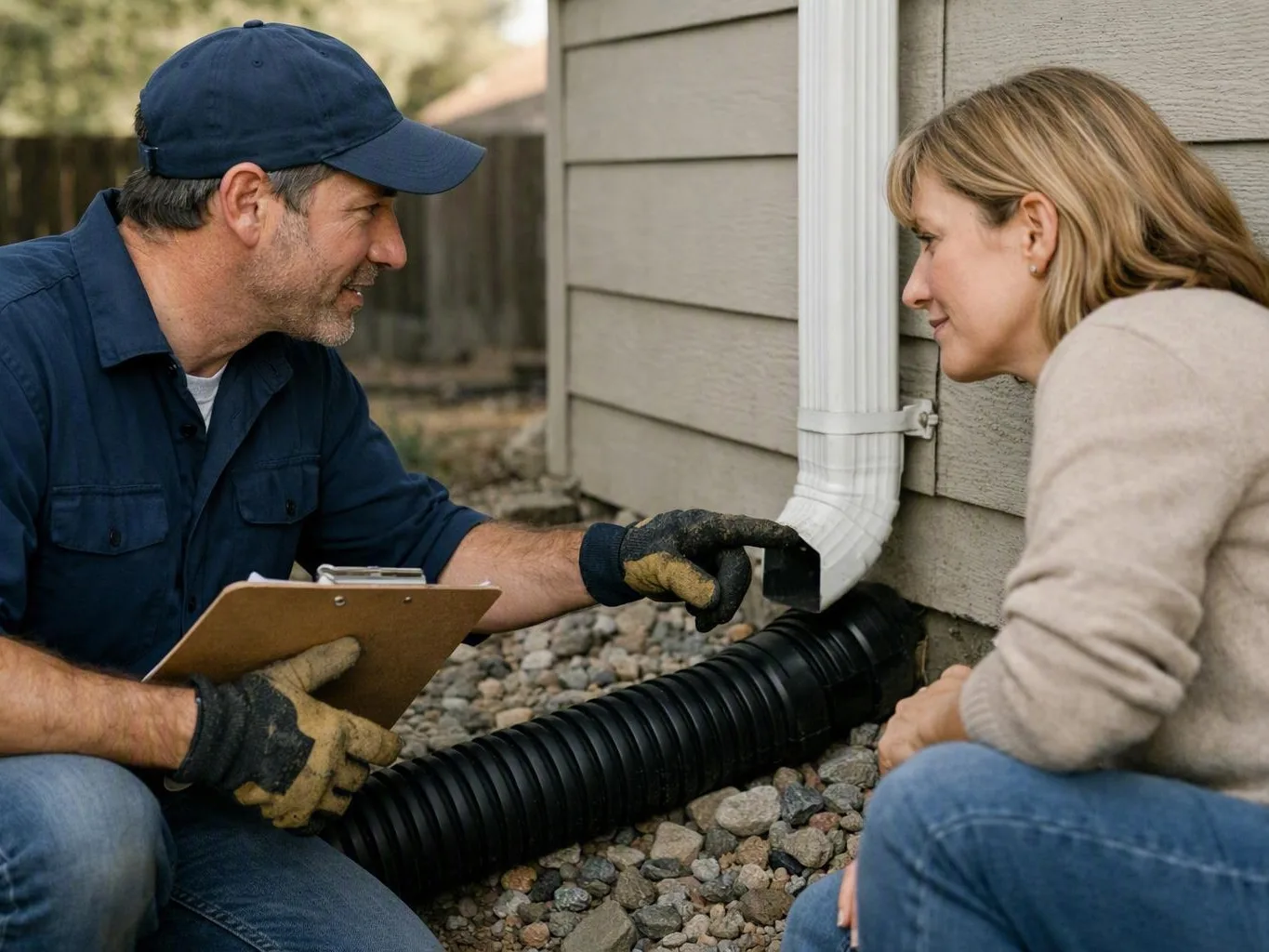
The installation steps typically include measuring and cutting the gutters to fit the home, securing them to the fascia board, and connecting them to downspouts. The slope of the gutters is carefully adjusted to ensure proper water flow, and all seams are sealed to prevent leaks. In areas like Fort Smith, where frequent thunderstorms are common, additional measures may be taken to reinforce the system and ensure it can withstand extreme weather conditions.
Working with experienced professionals who understand the local climate and regulations is essential for achieving a durable and effective gutter system. Whether in Little Rock, Fayetteville, or any other city in Arkansas, a well-installed gutter system can provide long-term protection against the challenges posed by the state’s weather.
What are the most common types of gutters used in Arkansas?
The most common types of gutters used in Arkansas are K-style gutters and half-round gutters. https://graph.org/How-to-Evaluate-5-Essential-Tips-for-Gutter-Installation-in-Arkansas-Essential-Standards-Outlined-2026-11-18 K-style gutters are popular due to their efficiency in directing water away from the home, while half-round gutters are often used in historic homes or for aesthetic purposes. For dependable Gutter Installation in Arkansas in Arkansas, AGM Gutters provides experienced guidance and practical solutions.
How do climate conditions in Arkansas affect gutter installation?
Arkansas weather, with its significant precipitation and frequent gales, clearly impacts the installation of gutters. In metropolitan areas like Little Rock and Fayetteville, where the possibility of storm-related damage is higher, gutters must be designed to handle these conditions. The selection of materials and setup techniques must account for the area climate conditions to ensure long-term functionality.
What kind of materials are best suited for Arkansas atmosphere?
Aluminum gutters are a well-liked selection in Arkansas due to their easy-to-handle characteristic and resistance to degradation. Steel gutters offer greater sturdiness and are often applied in areas with a higher possibility of tempest impact. Copper gutters, while more expensive, are known for their durability and capacity to resist extreme weather.
What is the standard price of gutter installation in Arkansas?
The median price of gutter installation in Arkansas varies from $3 to $10 per running foot. The total expense depends on factors such as the type of gutters, supplies used, and the complexity of the setup. In urban areas like Little Rock and Fayetteville, where the weather can be greater harsh, the expense may be greater as a result of the necessity for increasingly robust materials and additional work.
What often should gutters be cleaned in Arkansas?
Homeowners in Arkansas should maintain their gutters at least two times a year—once in the spring and once in the fall. This helps prevent trash accumulation, which can lead to water pooling and potential damage to the home. In areas with frequent rainfall, such as Little Rock, more regular maintenance may be necessary to ensure the gutters function properly.